
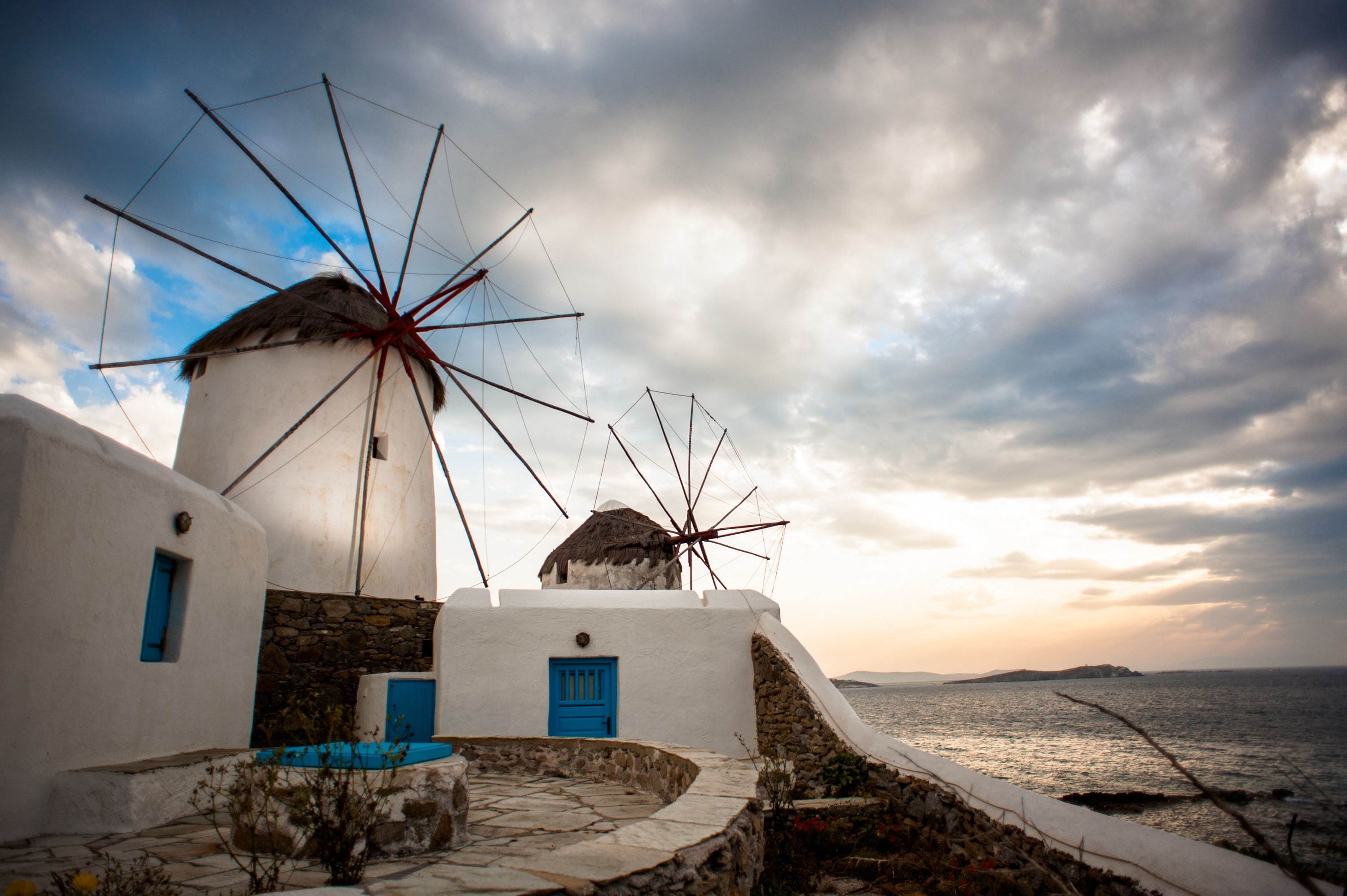
If you think a Greek island vacation is simply about beautiful beaches, luxury hotels, excellent restaurants and sunsets, you are only seeing the first layer. You can find those pleasures in many parts of the world. What sets the Cyclades apart is everything beneath them: mythology and archaeology, ancient civilizations and traditional communities, all surrounded by an Aegean landscape that has connected people and islands for thousands of years.
Mykonos, Naxos and Santorini are three of the best-known Cycladic islands, but they are not interchangeable. Each has its own tempo and its own way of revealing Greece. Better still, they are close enough that you do not necessarily have to choose only one. With thoughtful planning and current ferry connections, two—or even all three—can become part of the same Greek island-hopping vacation.
01
Mykonos: more than the scene
Mykonos knows how to make an entrance. Its whitewashed lanes, stylish hotels, beaches, restaurants and boutiques have made it one of the most recognizable islands in the Mediterranean. The atmosphere can be energetic and glamorous, especially in high season. But nightlife and luxury are not the whole story.
Just offshore lies Delos, one of the most important sacred places of the ancient Greek world. According to Greek mythology, this small island was the birthplace of Apollo and Artemis. Boats and organized visits generally operate from Mykonos, making it possible to walk among temple remains, houses, mosaics and marble lions before returning to the lively streets of Mykonos Town.
If you’re looking for energy, design, beach time and a vivid social scene—but you also want a doorway into ancient Greece—Mykonos can offer both.
02
Naxos: the pleasure of slowing down
Naxos feels roomier and more relaxed. It is the largest island in the Cyclades, with long beaches, working countryside, mountain villages and local food traditions that invite you to move beyond the waterfront. You can settle into the beach for a while, then drive inland and find an entirely different island waiting beyond the next bend.
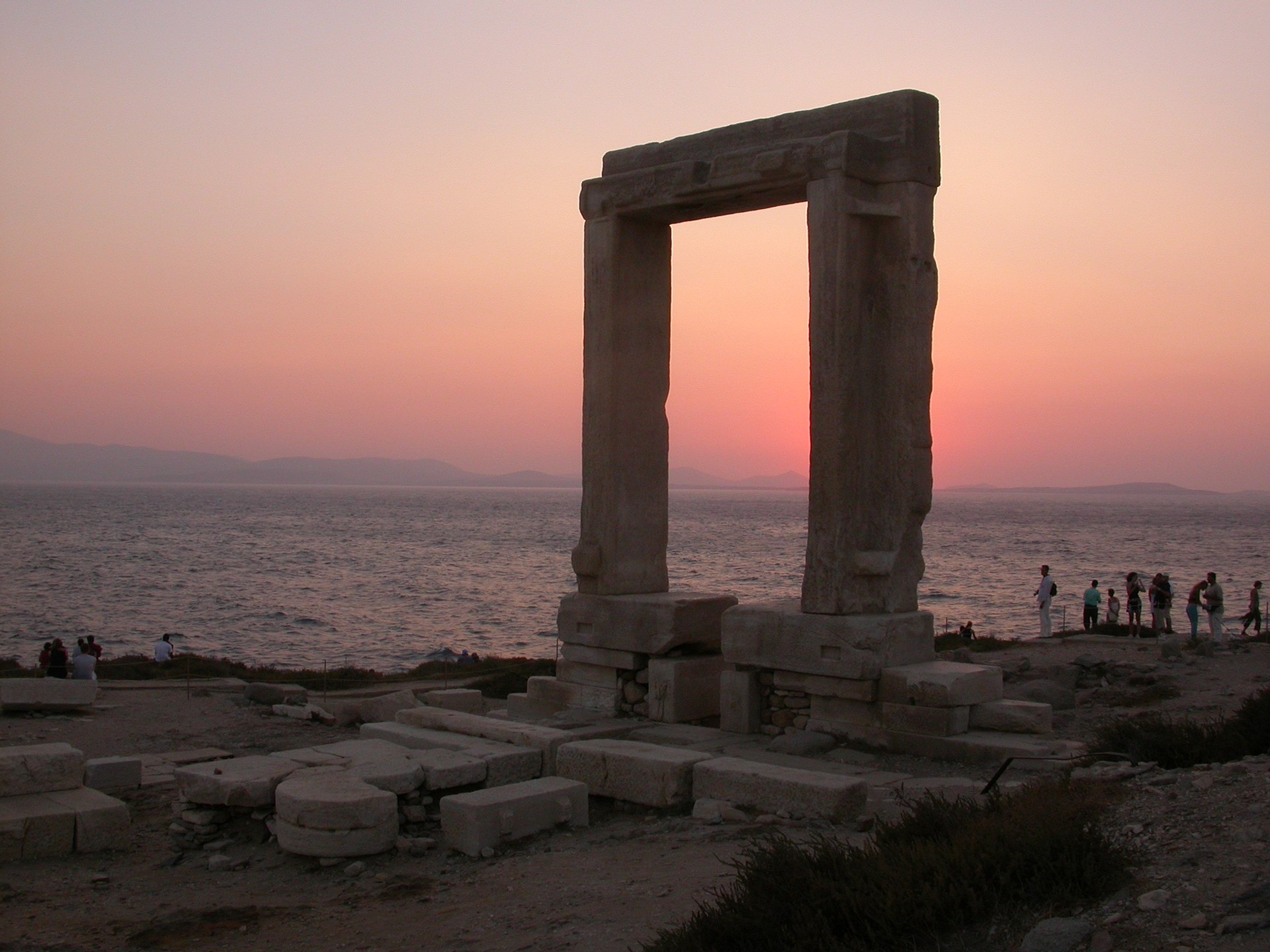
Near Naxos Town stands the Portara, a monumental marble gateway associated with an unfinished ancient Temple of Apollo. It is not tucked away in a museum. It rises from a small islet at the edge of town, catching the changing light and reminding you that history here is part of the landscape.
Spend time at the beach. Drive into the mountains. Stop in a village. Have lunch somewhere simply because it looks interesting.
Naxos rewards the traveler who does not schedule every hour. If your favorite vacation memories tend to happen between the planned events, this may be your island.
03
Santorini: beauty shaped by upheaval
There is no denying the drama of Santorini. Whitewashed villages cling to dark cliffs above a vast caldera; Oia and Fira look across water and volcanic islands in a scene that can feel almost theatrical. Yet the view is more than a backdrop for sunsets and photographs.
Santorini’s landscape was shaped by volcanic activity, including the great eruption during the second millennium BC. At Akrotiri, a sophisticated Bronze Age settlement was preserved beneath volcanic material. Streets, buildings, pottery and remarkable evidence of daily life survived, allowing visitors to encounter a community that flourished here thousands of years ago.
Santorini deserves more than a hurried sunset stop. Give yourself time to understand what you are looking at—and then, yes, find a terrace and watch the Aegean change color.