
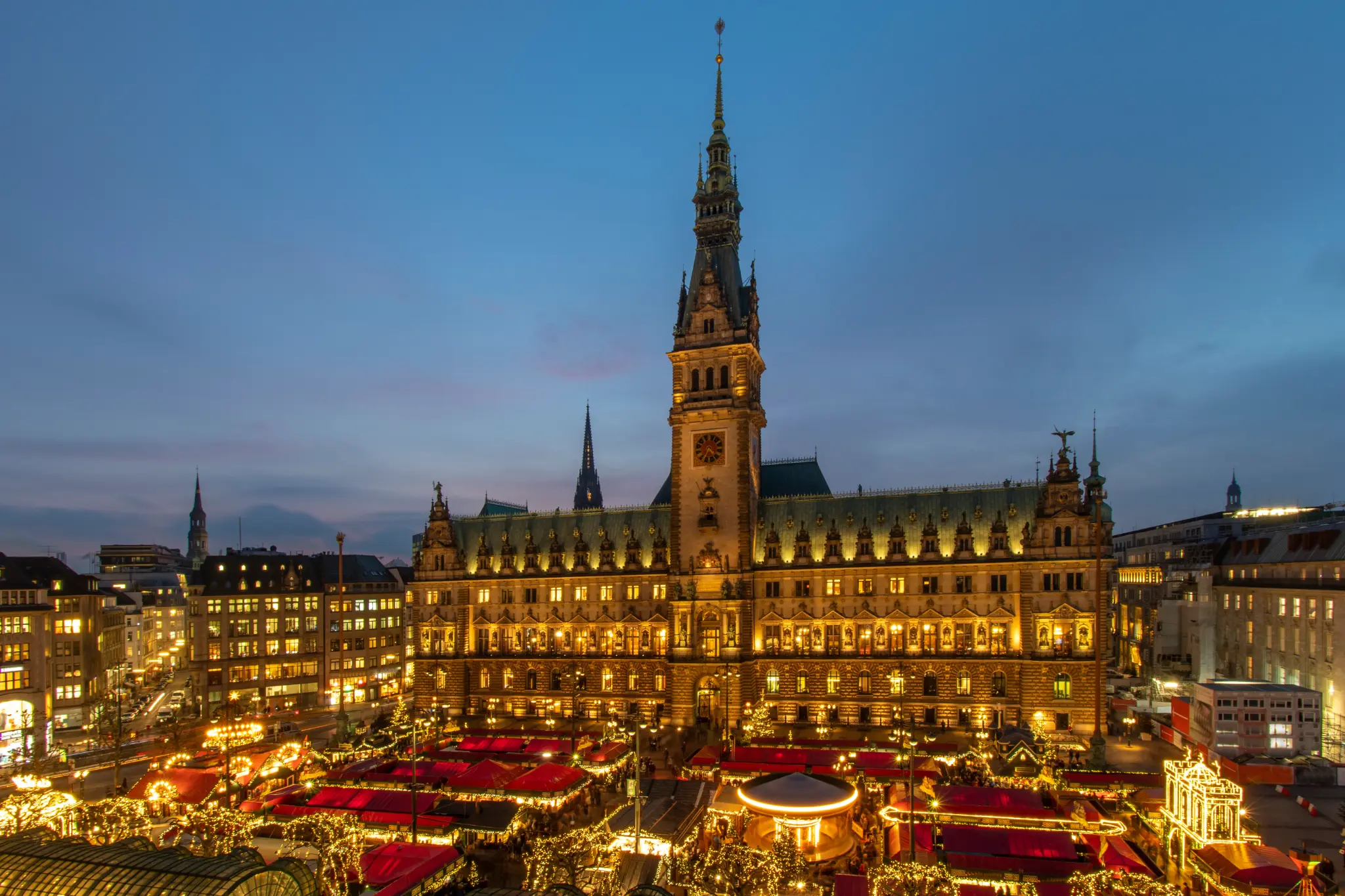
You hear it before you see it.
Music somewhere ahead. People talking and laughing. Maybe church bells. Then comes the smell—cinnamon, roasting nuts, something sizzling on a grill, perhaps warm spiced wine.
Turn the corner and there it is.
An old European square glowing with thousands of lights. Wooden stalls line streets that have been gathering people for centuries. A cathedral rises above everything. Someone hands you something warm to drink.
Welcome to your first European Christmas market.
If you’ve never experienced one, you might assume it’s mostly about shopping.
It isn’t.
01
More than a place to buy Christmas presents
Christmas markets are part festival, part gathering place and part Advent tradition.
Their roots reach back centuries, particularly in German-speaking Europe. Dresden’s famous Striezelmarkt dates to 1434. Strasbourg’s Christkindelsmärik began in 1570. Nuremberg’s Christkindlesmarkt has become one of the best-known Christmas markets in Germany.
But history is only part of what makes them special.
These markets weren’t invented as tourist attractions. The tradition grew around communities gathering during the cold, dark weeks leading to Christmas. Food, drink, crafts, music and celebration came together in the center of town.
And in many places, that’s still what you feel.
You’re not visiting a Christmas-themed attraction constructed outside the city.
You’re standing in the city itself.
02
Don’t go looking for an American Christmas
If you’re planning your first Christmas market vacation in Europe, here’s our suggestion: don’t go looking for Christmas exactly as you know it at home.
Look for what’s different.
You may encounter St. Nicholas traditions, the Christkind, Advent customs and foods you’ve never tried. Decorations change from one country—and sometimes one town—to another.
So does the menu.
In Germany, perhaps it’s bratwurst, gingerbread or Lebkuchen. In Austria, you may find Kaiserschmarrn, sausages and warm pastries. Alsace brings its own blend of French and German influences.
03
What is a Christmas market really like?
That depends on where you go.
Some European Christmas markets are enormous, filling major squares and surrounding streets. Others are surprisingly intimate. Some cities have not one market but several, each with a different personality.
You’ll find wooden stalls selling ornaments, candles, toys, ceramics, textiles, sweets and regional crafts. Food vendors send wonderful smells drifting through the cold air.
There may be choirs. Carousels. Nativity scenes. Musicians.
And lots of people standing around eating—which, incidentally, is part of the fun.
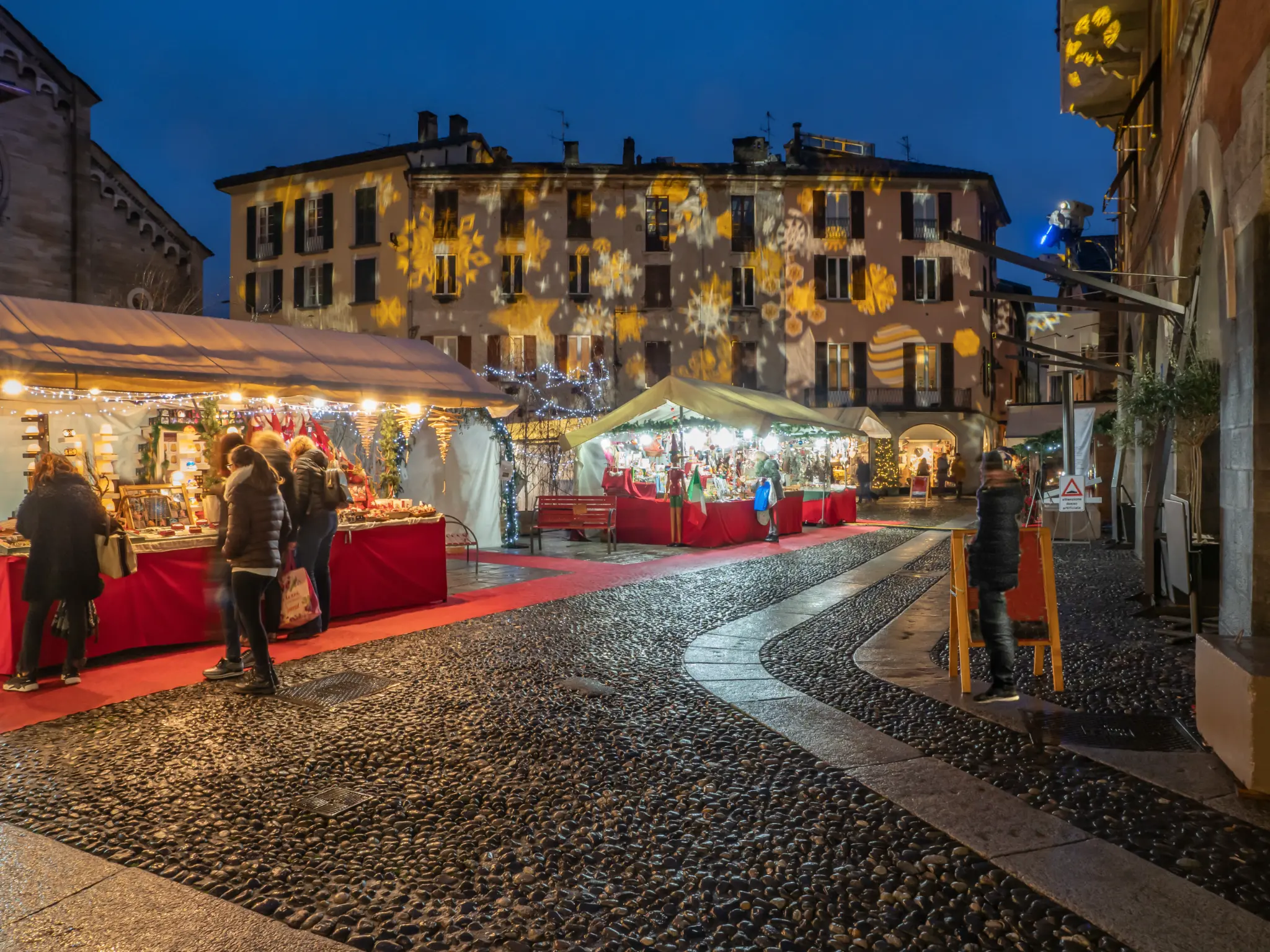
The experience changes throughout the day. Visit in the morning and you may have more room to browse. Return as darkness falls and the same square feels completely different.
That’s when the lights come on.
If you can, experience both.
04
The setting changes everything
Imagine a Christmas market in a parking lot.
Not quite the same, is it?
Part of the magic comes from where these markets happen. In Nuremberg, you’re experiencing a Christmas tradition in one of Germany’s great historic cities. In Strasbourg, timber-framed buildings and the enormous Gothic cathedral become part of the experience.
In Vienna, Christmas markets appear against a backdrop of imperial architecture, churches and grand public squares. In Salzburg, you’re surrounded by domes, towers and mountains while wandering through a city already closely associated with music.
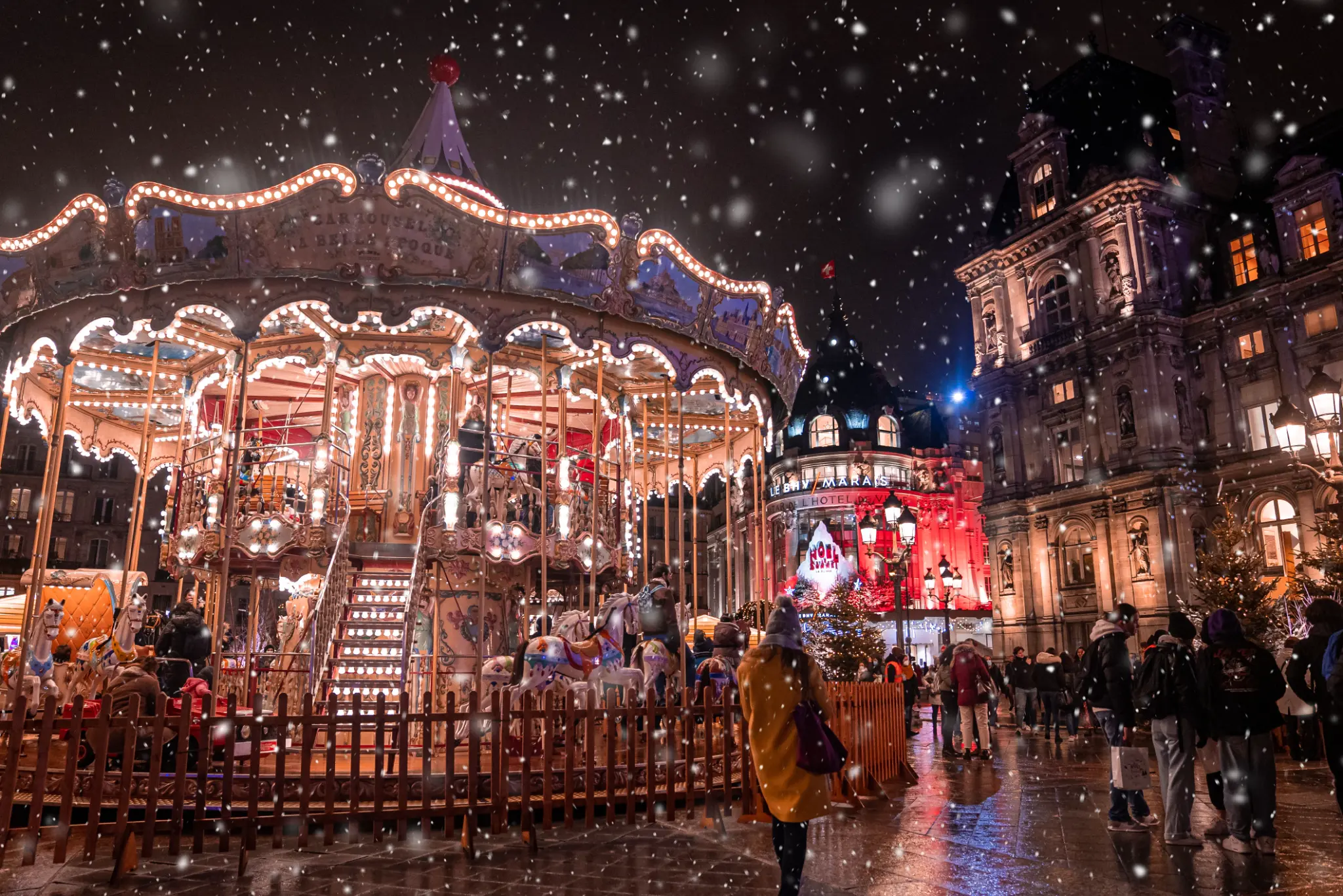
You came for the market. But Europe provides the scenery.
05
What will you remember?
Here’s the interesting part. It may not be what you bought.
A few years from now, you might struggle to remember which stall sold which ornament. But you may remember the cold. You may remember wrapping both hands around a warm mug.
The cathedral bells. A choir singing somewhere across the square. Trying something you couldn’t pronounce because it smelled too good to pass up.
You may remember walking back to your hotel through decorated streets after dinner, when most of the sightseeing day was supposedly finished. Or the first few snowflakes beginning to fall under the Christmas lights.
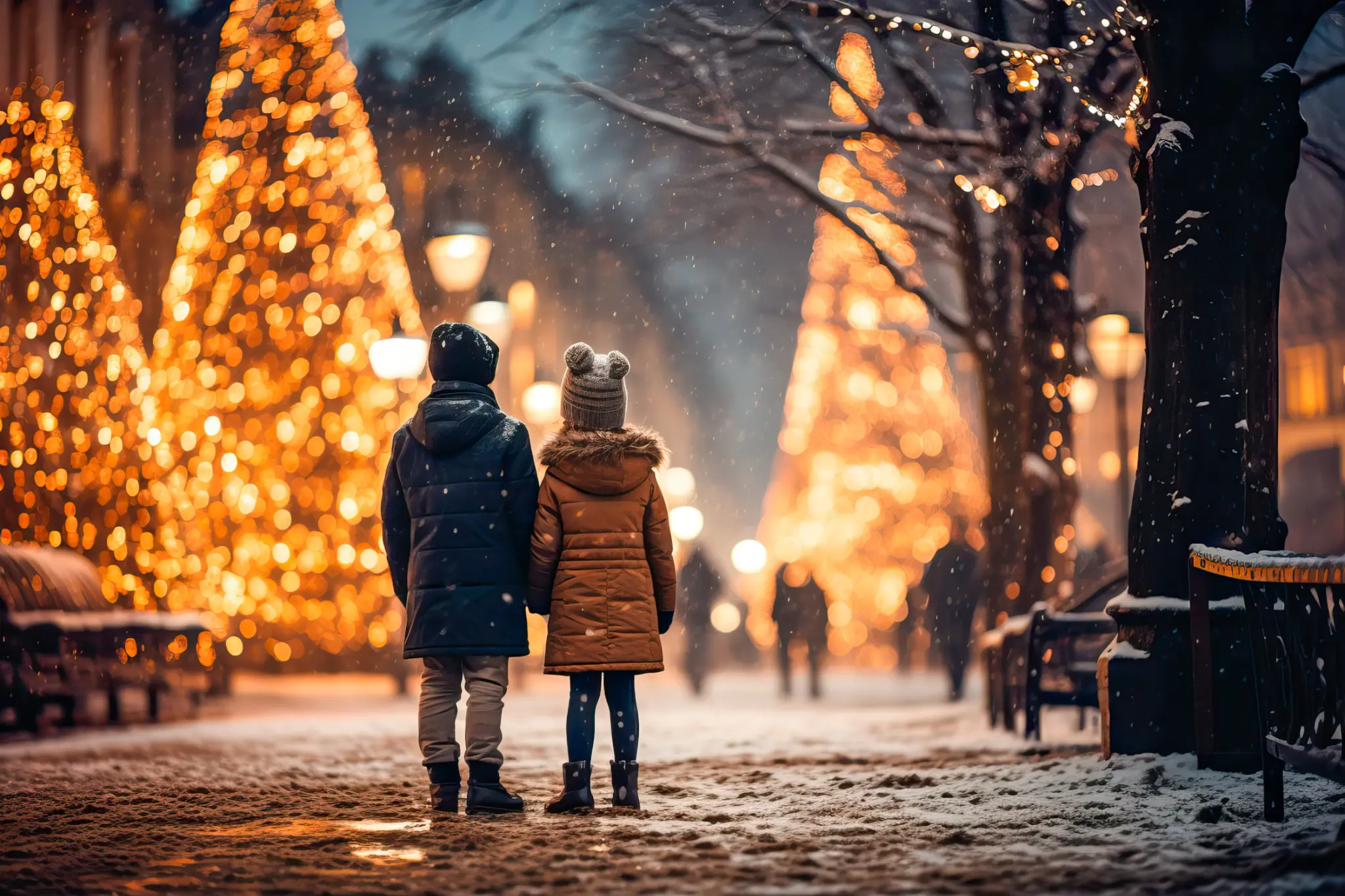
Travel memories are funny that way. The moments we carry home aren’t always the ones we scheduled.
06
A few things first-time visitors should know
European Christmas markets are wonderfully atmospheric, but a little planning makes them much easier to enjoy.
Popular markets can become crowded, particularly on weekends and in the evening. If your itinerary allows it, weekdays can feel more relaxed.
Winter daylight is also shorter than many American travelers expect. That’s not necessarily a disadvantage. Christmas markets become especially beautiful after dark, and darkness arrives early.
Dress for the weather. Comfortable shoes matter. Layers matter.
And if you’re staying in a city specifically to enjoy its Christmas markets, location matters enormously.
A centrally located hotel can change the entire experience. Instead of making the market a two-hour excursion, you can wander through it in the afternoon, go elsewhere for dinner, and return later simply because you feel like it.
That’s a much nicer way to travel.